ELECTRIC ZERO EMISSION
TRANSPORTATION SOLUTION
BUSINESS GROWTH
TOURISM PROMOTION
MISSION & VISION
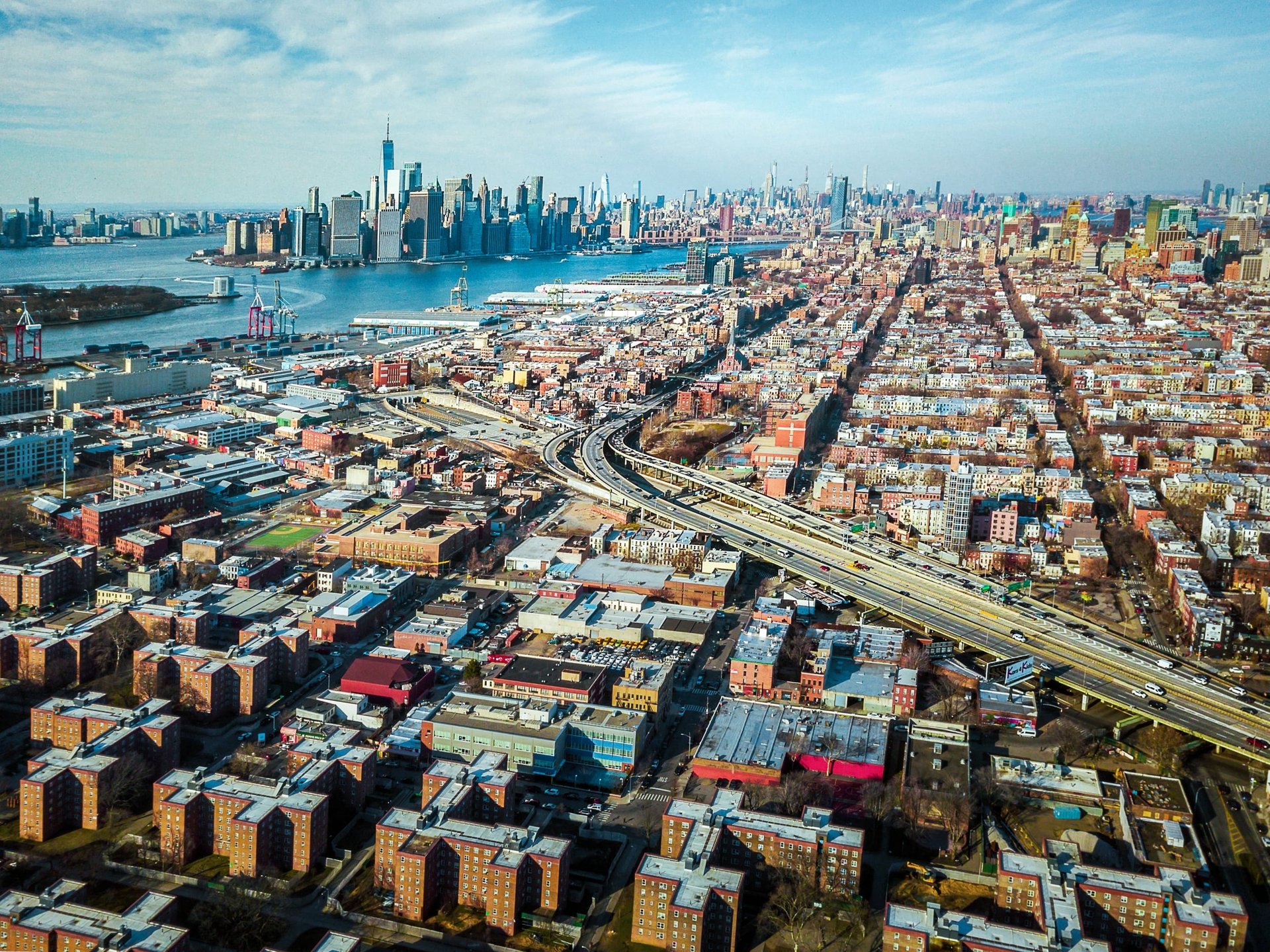
Electric battery-powered, zero-emission transit servicing Red Hook → Brooklyn Marine Terminal → Brooklyn Bridge Park → Atlantic Avenue → Atlantic Avenue Terminal.

OBJECTIVES
Create clean, electric battery-powered, public transit
•
Promote transit equity in reaching Red Hook historically underserved transit desert
•
Vector for Brooklyn/Red Hook businesses
•
Connect to Atlantic Avenue Terminal subways
•
Waterfront connection to NYC Ferry stops
•
A local hop-on-hop-off commuter solution
•
STEM partnership with neighborhood schools
•
Mitigate cruise passenger car traffic and pollution towards zero-emission port operations
•
A more transit-oriented, less car-dependent city
•
Become a vital part of growth & visitor appeal of Brooklyn/Red Hook waterfront
•
Restore and preserve heritage Brooklyn fleet
•
Promote local history & civic pride
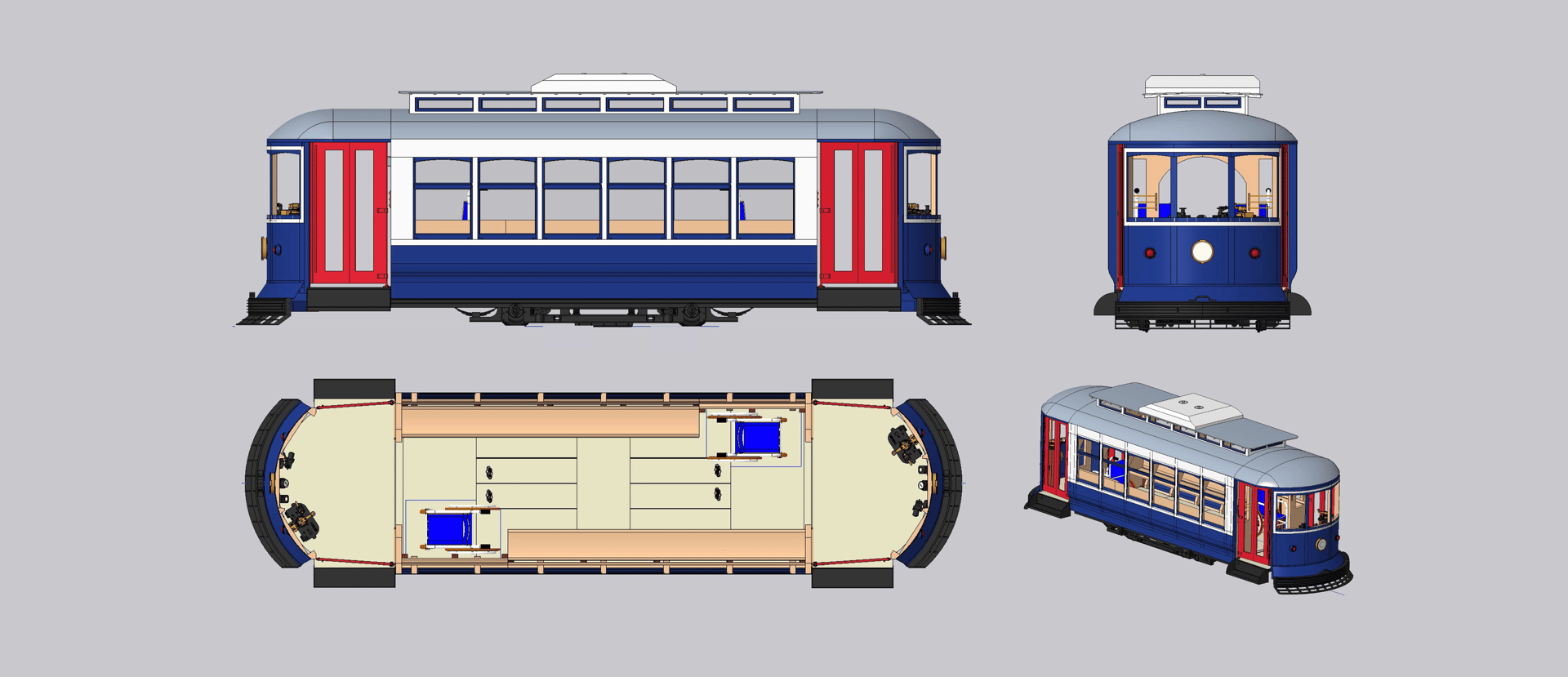
Three replica trolleys with AC and WIFI, ADA compliant. (Refurbished historic trolleys limited on weekends).
TROLLEY FLEET
Single-Truck, Semi-Convertible Enclosed Trolley
Length: 30 feet • Width: 8.5 feet • Height: 13 feet
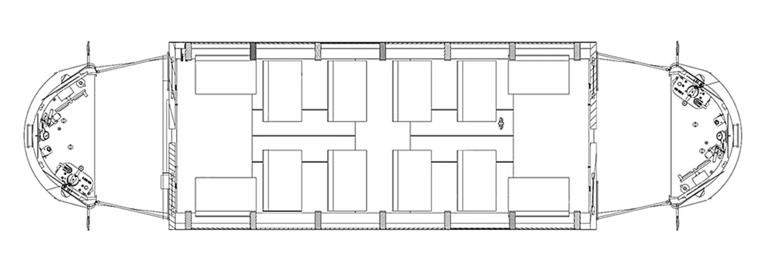
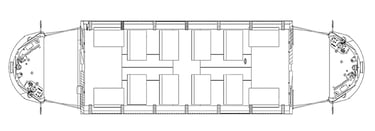
Weight: 24,400 lbs • Max Speed: 30 mph • Seating: 24 seated, 22 standees
BROOKLYN TROLLEY DODGERS
Trolley cars were the basic public transportation in Brooklyn for much of the last century. Indeed, the Brooklyn Dodgers were originally the Brooklyn Trolley Dodgers, so named for Brooklynites leaping aside from oncoming trolley cars.
The first urban light rail system began operations in New York City in 1832—two years before Brooklyn was incorporated into a city itself—as a small, boxy car pulled by horses over rails embedded in the street.
By the late 1880's electric generator and motor technology was a viable power source for streetcars, and in 1890 the City of Brooklyn opened the Coney Island Avenue line. Beginning in the 1920's, however, the trolley companies (all privately owned) began to be challenged by expanding automobile ownership.
In the 1930's the Presidents' Conference Committee (PCC) was formed to solve the problems of urban transit but unfortunately, the progress in streetcar technology came too late to save New York City's trolley lines. On October 31, 1956, the last three trolley lines in Brooklyn ended their run.
WELCOME ABOARD
Today, as we face the problems of energy conservation, air and ground pollution, and traffic congestion, numerous municipalities that retained their trolley systems are now looking to expand them, while others have found funding to build anew.
Help us bring back the only working trolleys in New York City and create a new clean transit and visitor attraction in Brooklyn. Ding-ding!
SAY HELLO
